Content with the tag Results

The Hungarian case study shows how cybersecurity technology and information transfer are shaped by a system where state coordination, legal frameworks, and defence priorities play a central role.
The Spanish case study shows how cybersecurity technology and information transfer are shaped by a mature but complex ecosystem, where national security, strategic coordination, innovation capacity, and industrial development all play an important role.
Lithuania’s case study shows how stronger coordination, clearer transfer pathways, and greater trust in information sharing can help turn cybersecurity innovation into practical national resilience.
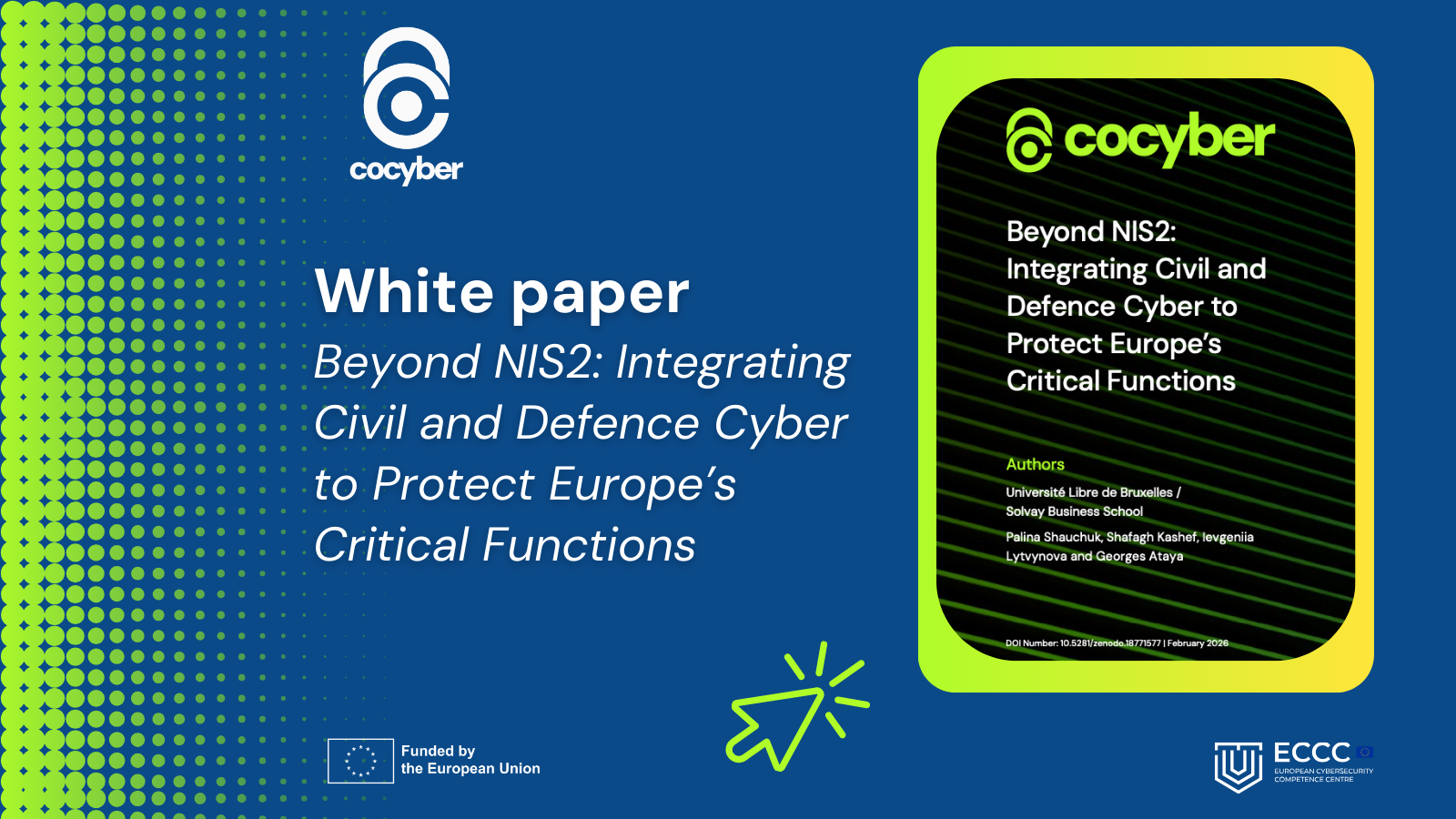
This COcyber white paper examines how cyber incidents increasingly spill across civilian and defence domains, showing where current responses fall short while outlining practical, coordinated measures to strengthen Europe’s ability to protect and recover the critical functions that depend on interconnected digital systems.
From idea to impact: in just one year, COcyber has built a thriving European community bridging civilian and defence cybersecurity. In this anniversary video, project partners looks back at key milestones, meaningful progress, and the next steps in building dual-use cybersecurity cooperation.
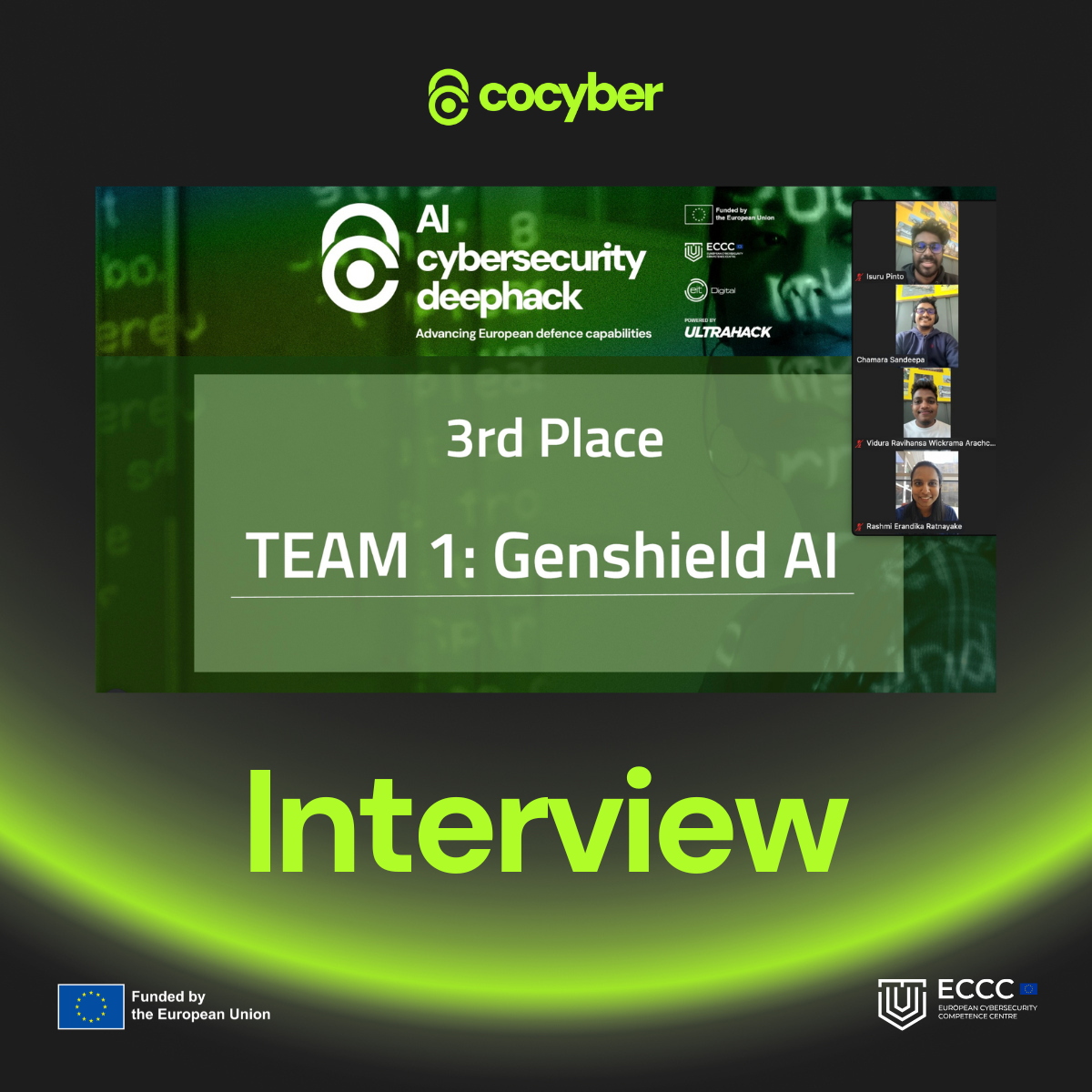
In this interview, Team GENSHIELD-AI, third-prize winners of the COcyber AI Cybersecurity Deephack, share how they developed PhishNet — a multilingual phishing detection system. They discuss their dual-use design for civilian and defence applications, the importance of explainability in AI, and their plans to further develop GENSHIELD-AI for real-world deployment.
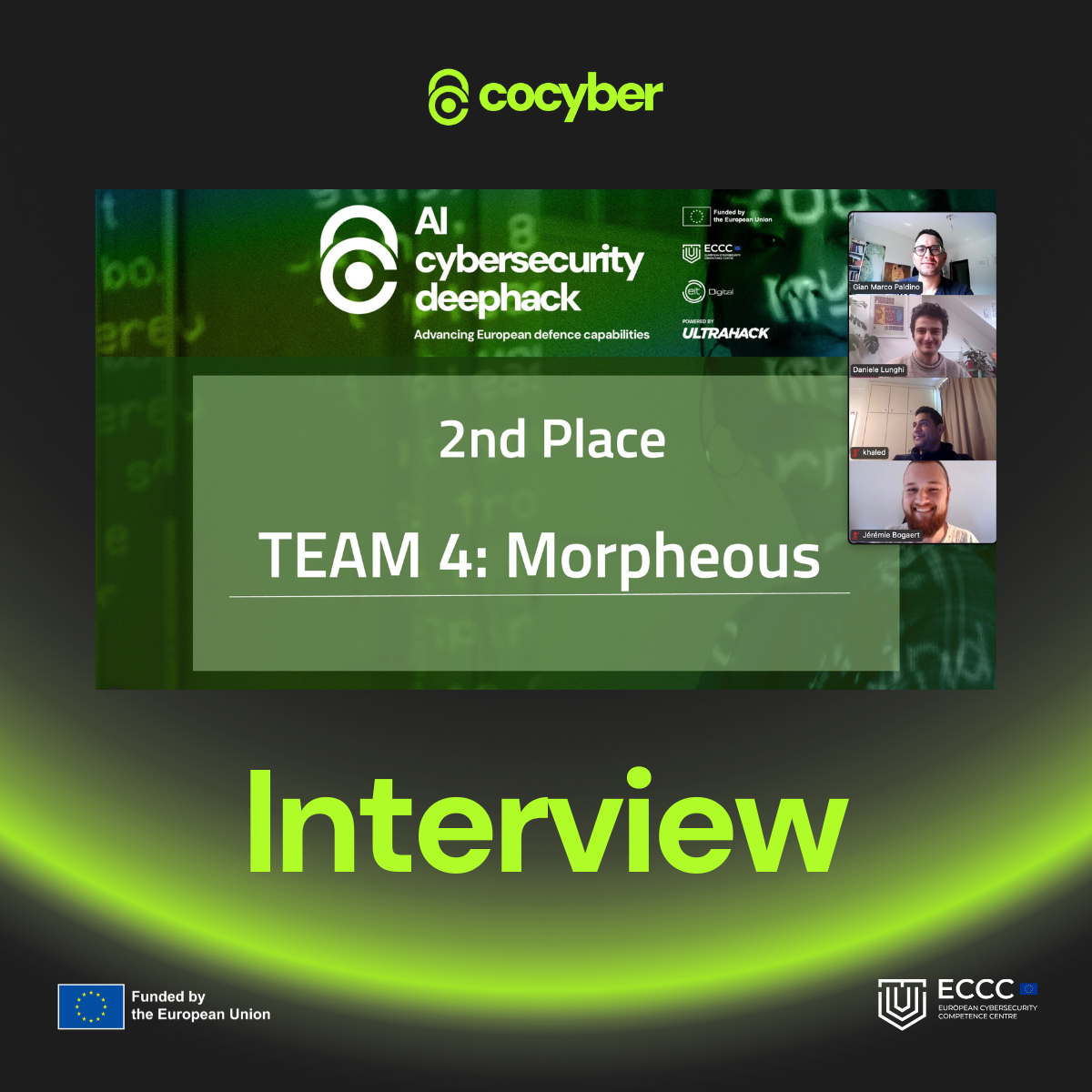
In this interview, Team MORPH, second-prize winners of the COcyber AI Cybersecurity Deephack, share how they developed a federated learning-based phishing detection system built for dual-use in civilian and defence contexts. They discuss their approach to privacy-preserving AI, adversarial robustness, and their plans to bring MORPH to market through investor engagement and strategic business training.
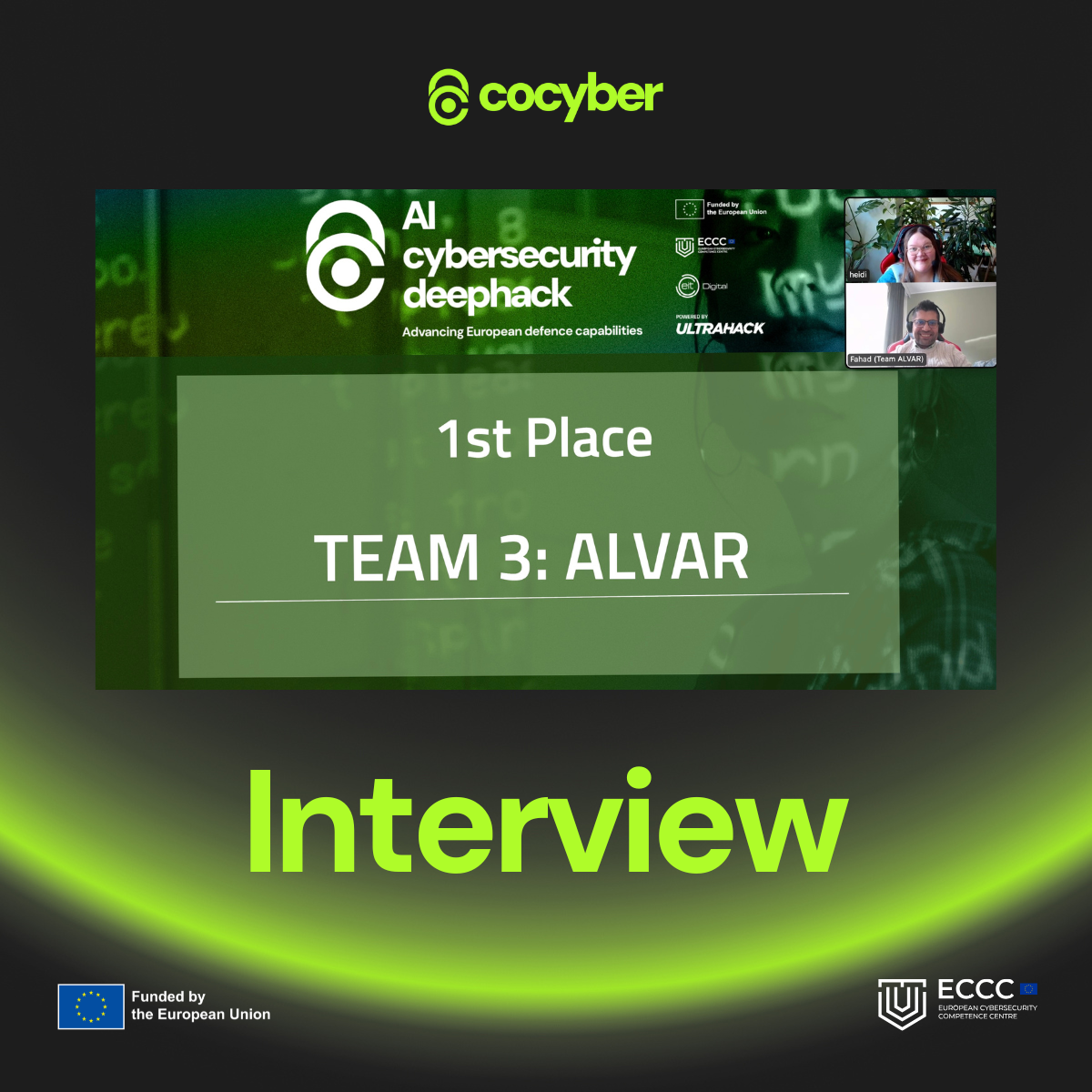
In this interview, Team ALVAR, winners of the COcyber AI Cybersecurity Deephack — share how they built a scalable, AI-powered phishing detection system designed for both civilian and defense use. They reflect on the importance of modular design, real-time anomaly detection, and their next steps toward real-world deployment.
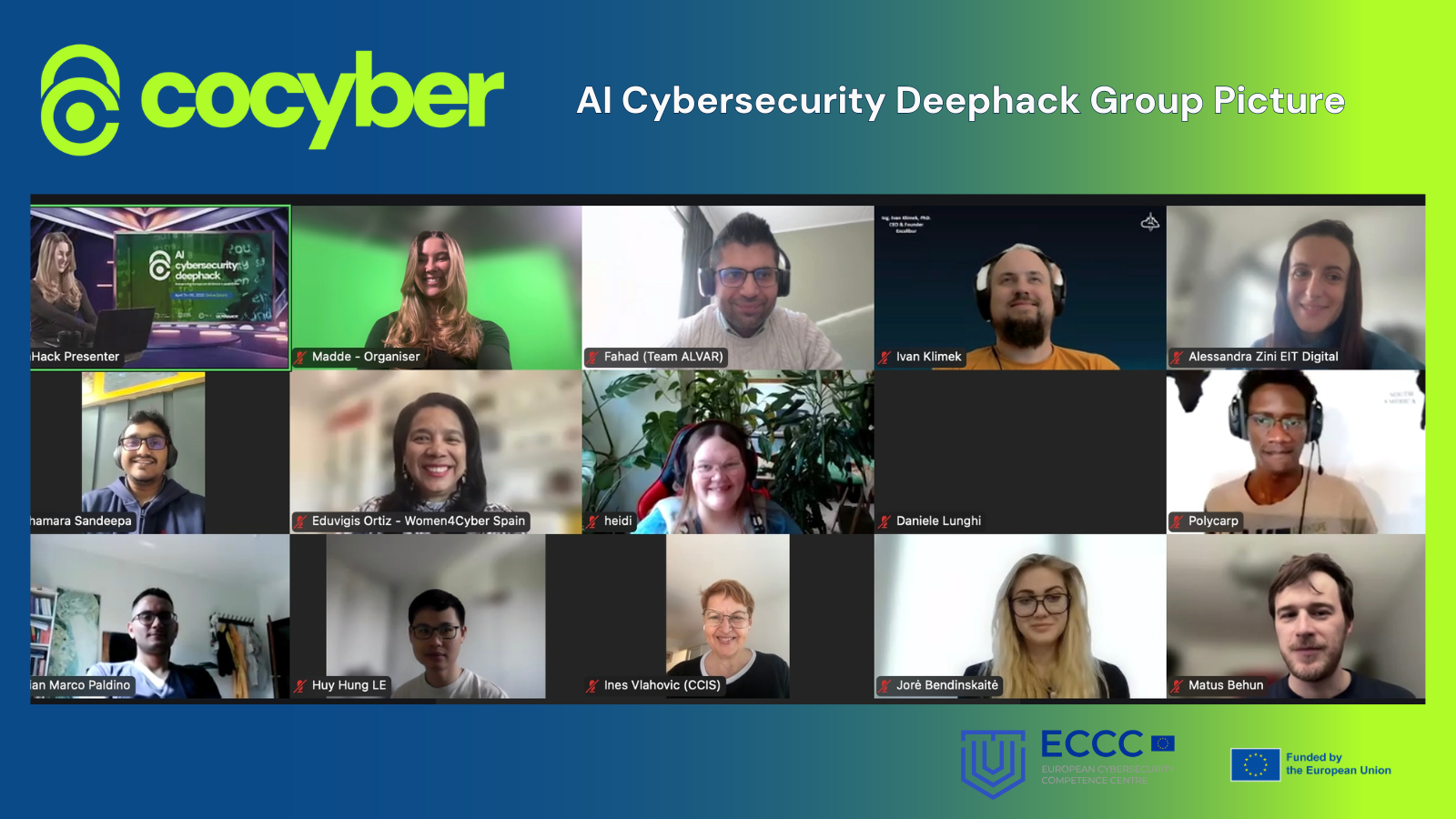
The COcyber AI Cybersecurity Deephack brought together students, professionals, and startup founders for a 48-hour challenge to design AI solutions against phishing threats. With dual-use applicability at its core, the event showcased innovative, ethical, and deployable tools bridging civilian and defence cybersecurity needs.
Can AI Stop the Next Big Phishing Attack? Join the Challenge! Phishing attacks are evolving, making traditional cybersecurity defenses obsolete. AI-powered solutions can bridge the gap, detecting threats before they cause damage. But can we create technology that protects both civilian and defence sectors? That’s the challenge we’re tackling at the AI Cybersecurity Deephack!