Content with the tag CyberSecurity

In this first episode of Cyber Duality: A COcyber Podcast we explore how Europe can better connect civilian and defence cybersecurity efforts with insights from Madhusanka Liyanage, an expert in telecom security and 5G/6G research.
From April 24 to 26, 2025, COcyber’s AI Cybersecurity Deephack brought together cyber enthusiasts from academia, research and the start-up scene for an intense 48-hour challenge to answer one critical question: can artificial intelligence stop the next big phishing attack?
The Hungarian case study shows how cybersecurity technology and information transfer are shaped by a system where state coordination, legal frameworks, and defence priorities play a central role.
The Spanish case study shows how cybersecurity technology and information transfer are shaped by a mature but complex ecosystem, where national security, strategic coordination, innovation capacity, and industrial development all play an important role.
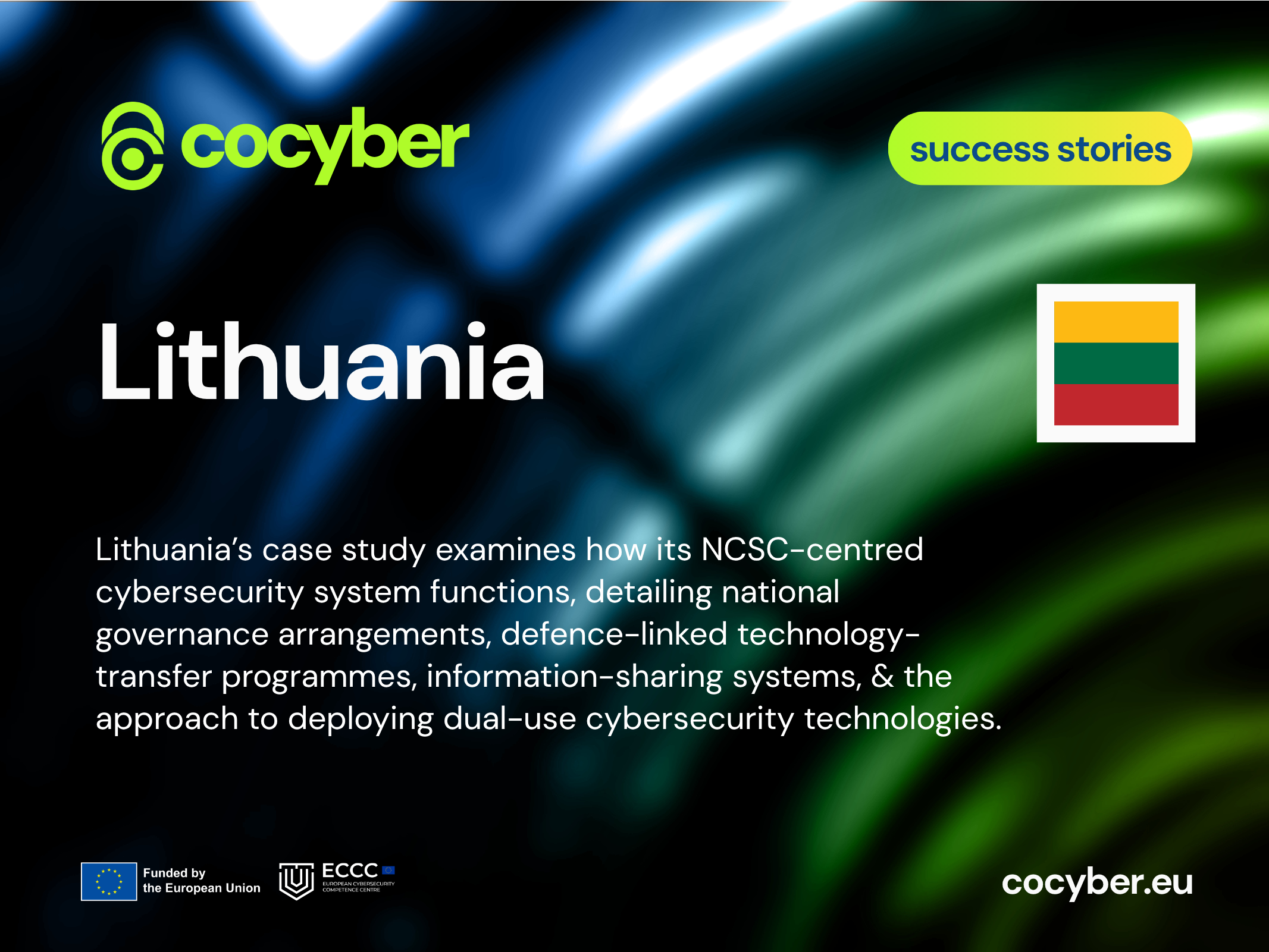
Lithuania’s case study shows how stronger coordination, clearer transfer pathways, and greater trust in information sharing can help turn cybersecurity innovation into practical national resilience.
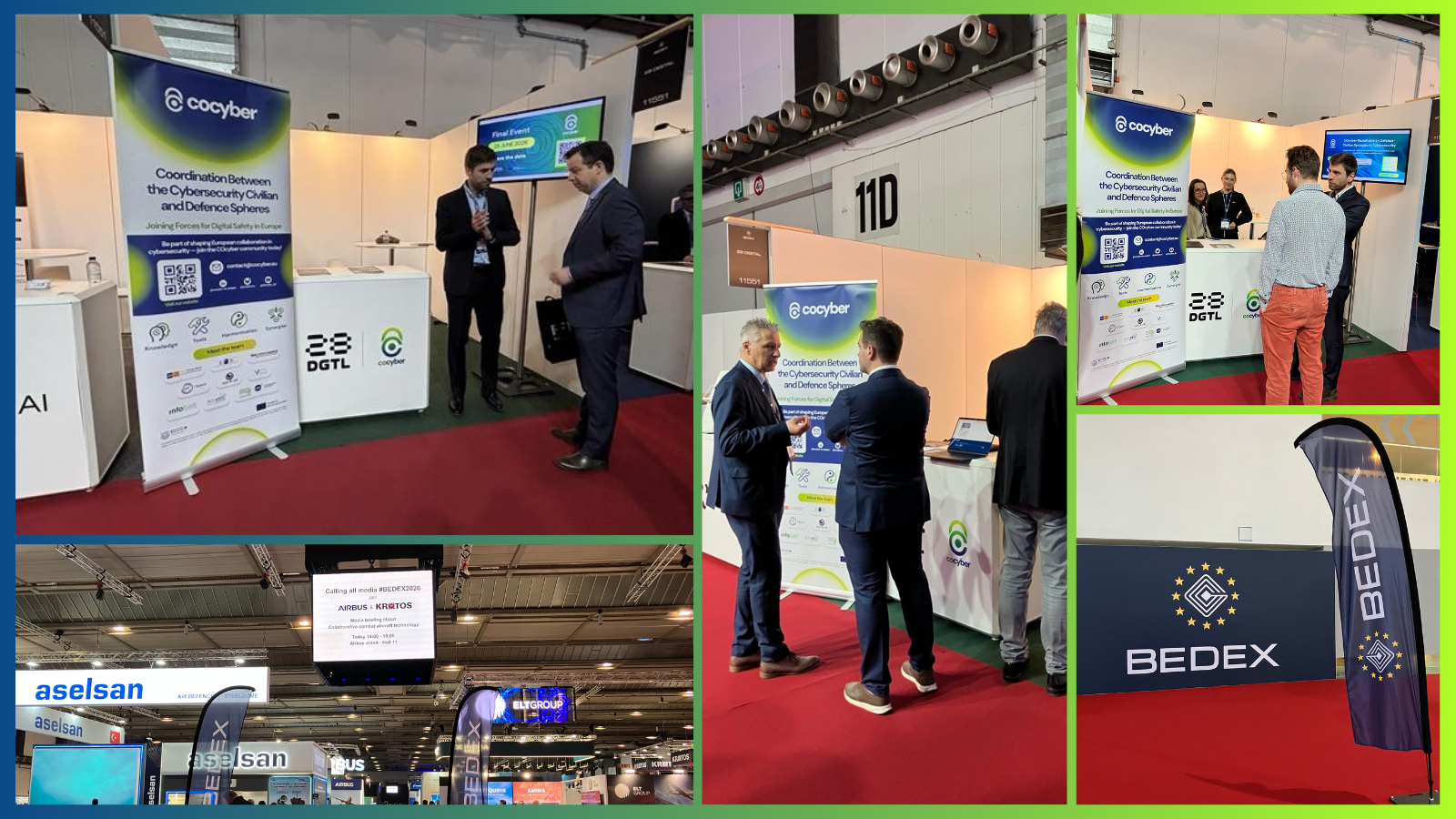
COcyber joined BEDEX Brussels 2026 on 13 - 14 March to engage with key actors from the European defence and cybersecurity ecosystem. The event highlighted strong interest in the COcyber Platform and the need for a clearer one-stop hub for dual-use cybersecurity information.
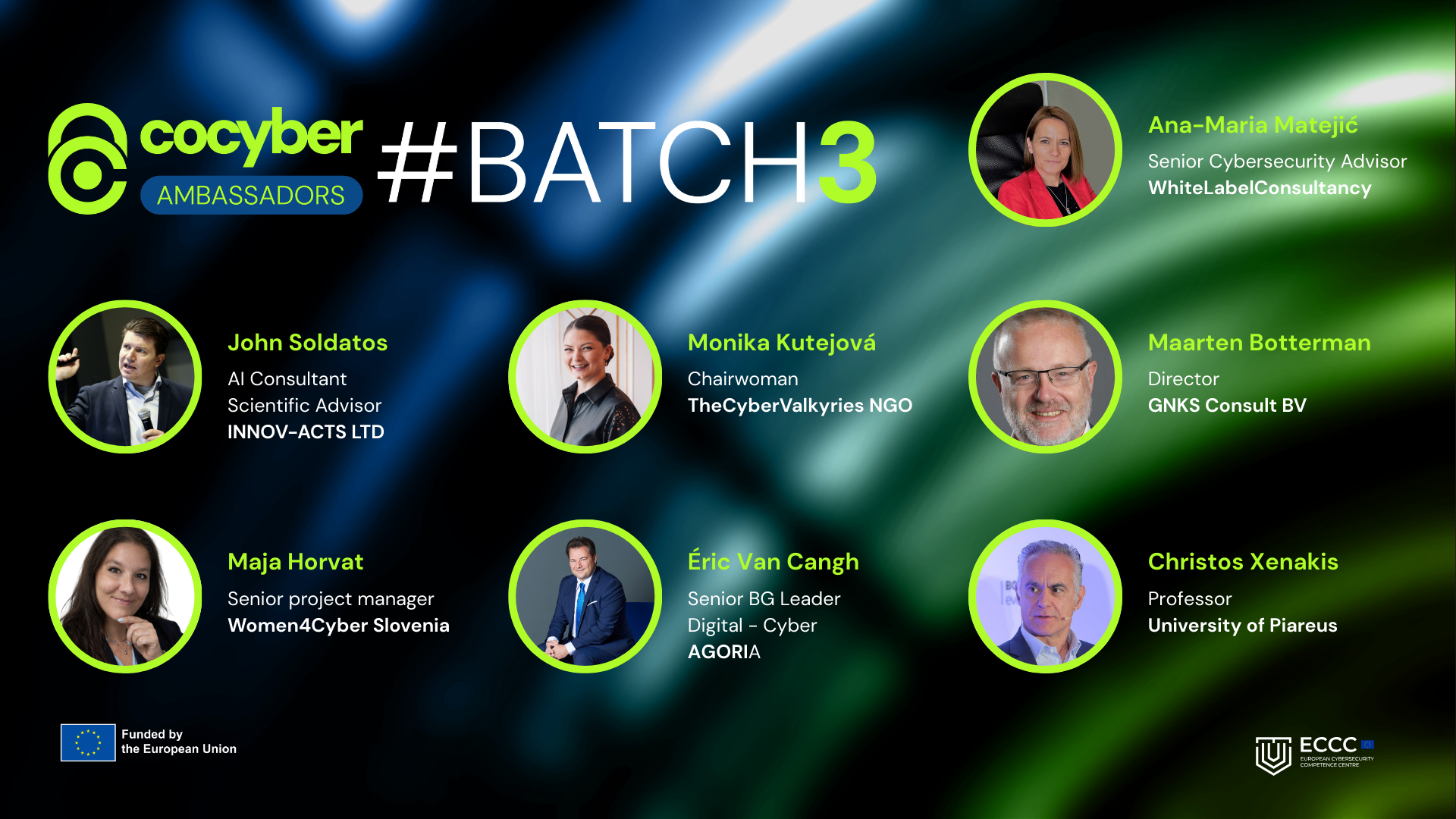
The third cohort of COcyber Ambassadors brings together seven cybersecurity professionals whose combined expertise supports Europe’s efforts to improve cooperation between civilian and defence communities, strengthen digital resilience, and encourage practical knowledge-sharing across diverse security domains.
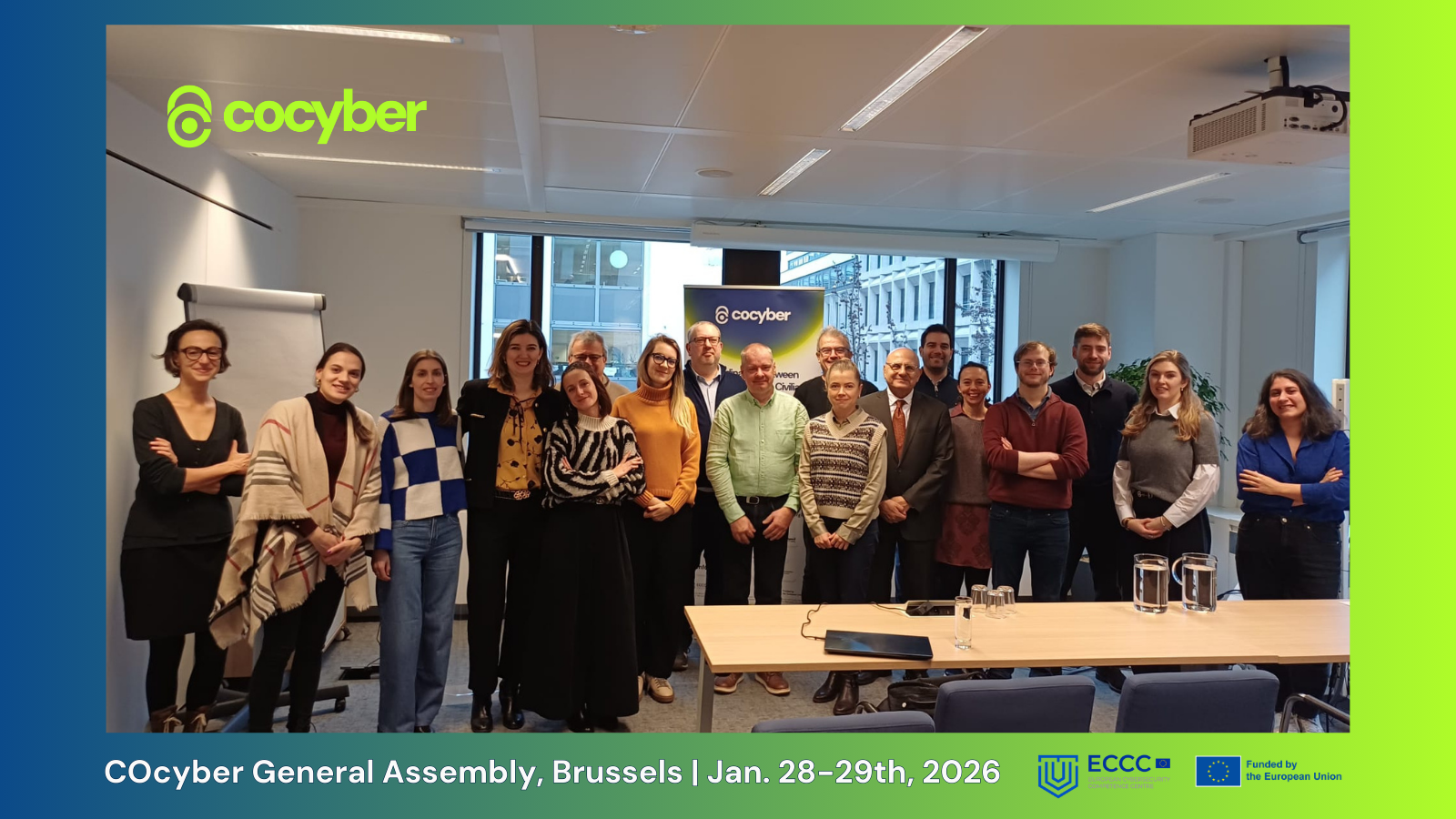
The COcyber consortium met in Brussels to review progress and align the work ahead, focusing on platform development, policy preparation, coordination tasks and sustainability planning. External experts contributed insights on aligning cybersecurity skills frameworks and establishing shared assessment baselines across sectors.
Deliverable D4.2 compares how Lithuania, Spain, Hungary and Slovenia organise cybersecurity technology transfer, information sharing and dual-use innovation, revealing significant differences in institutional maturity and national capabilities. The findings highlight the need for stronger governance alignment, improved trust frameworks and more coherent support for innovation across the EU.
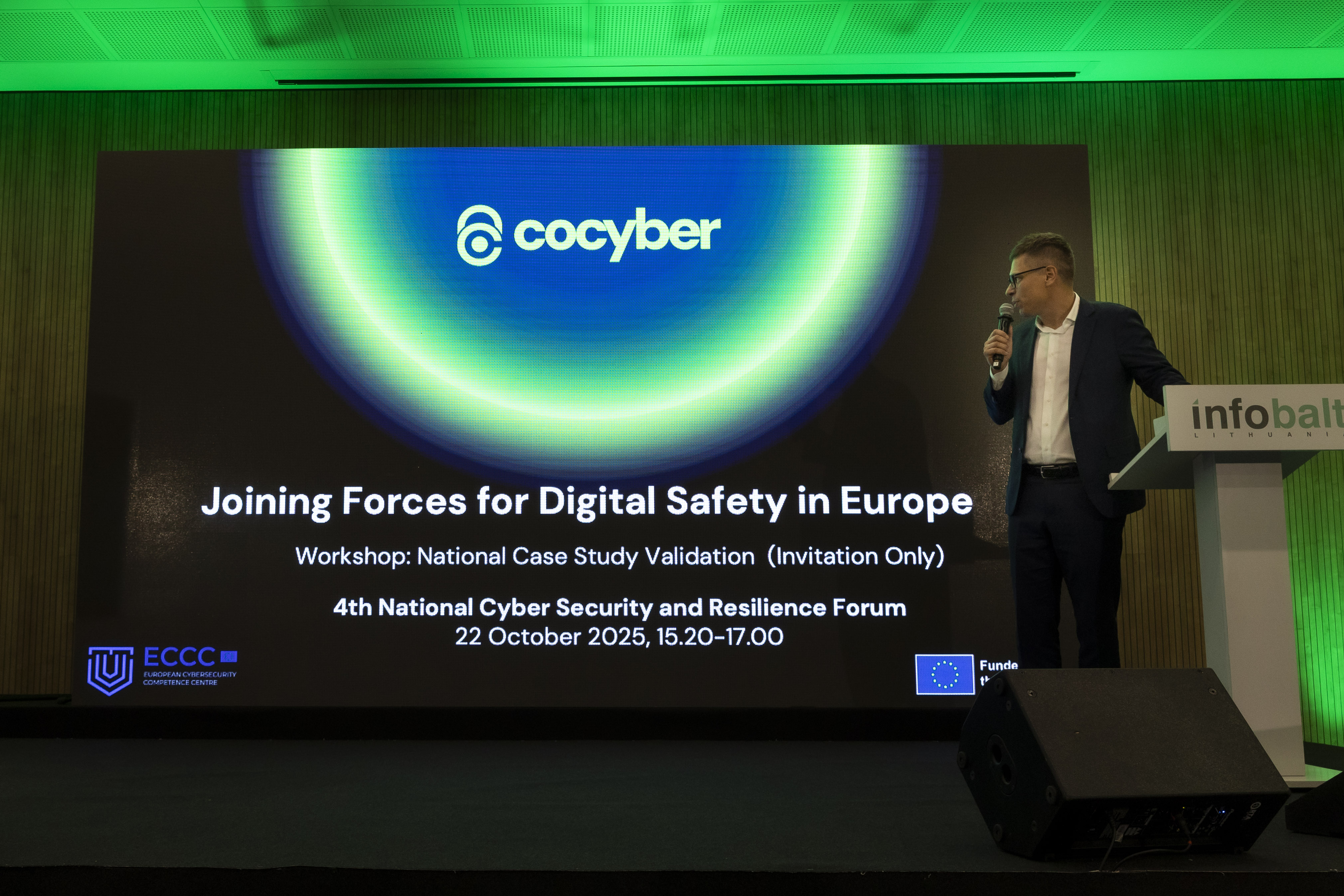
The 4th National Cyber Security and Resilience Forum brought together national and international experts to discuss strengthening Lithuania’s and Europe’s cyber resilience through cooperation, innovation, and shared expertise. As part of the programme, COcyber hosted a closed National Validation Workshop on Lithuania’s cybersecurity case study, gathering stakeholders to review and refine its preliminary findings.